Fat Tire Electric Bike

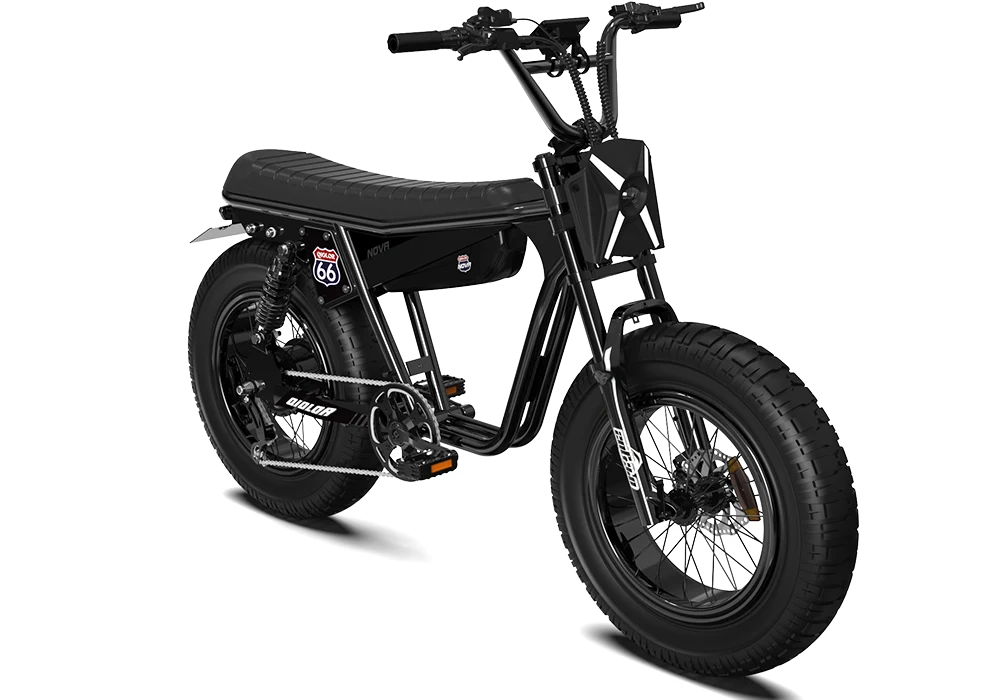
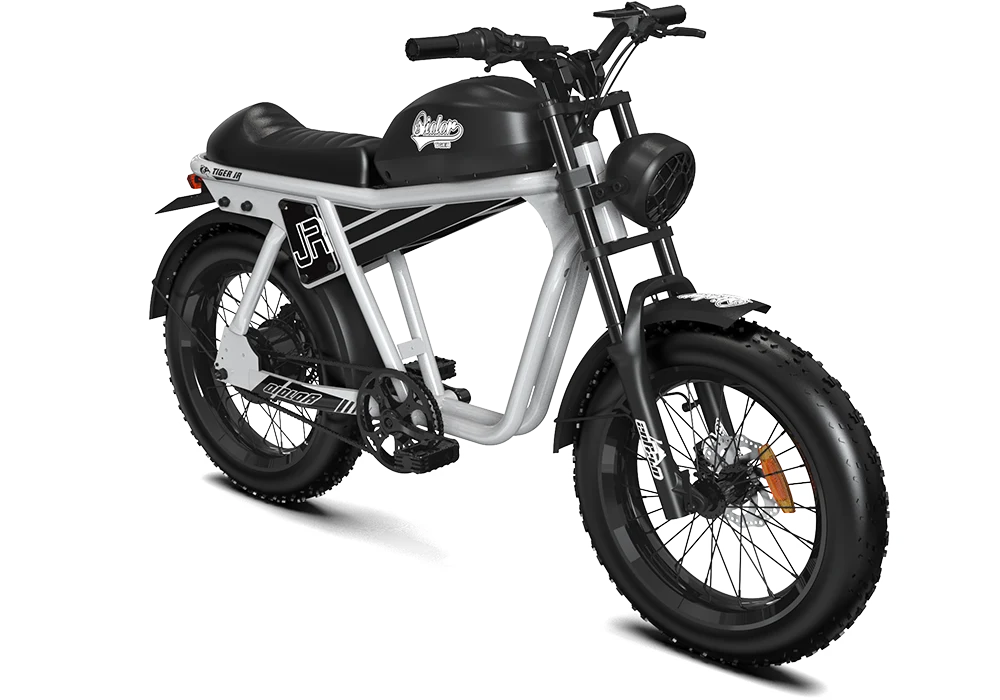
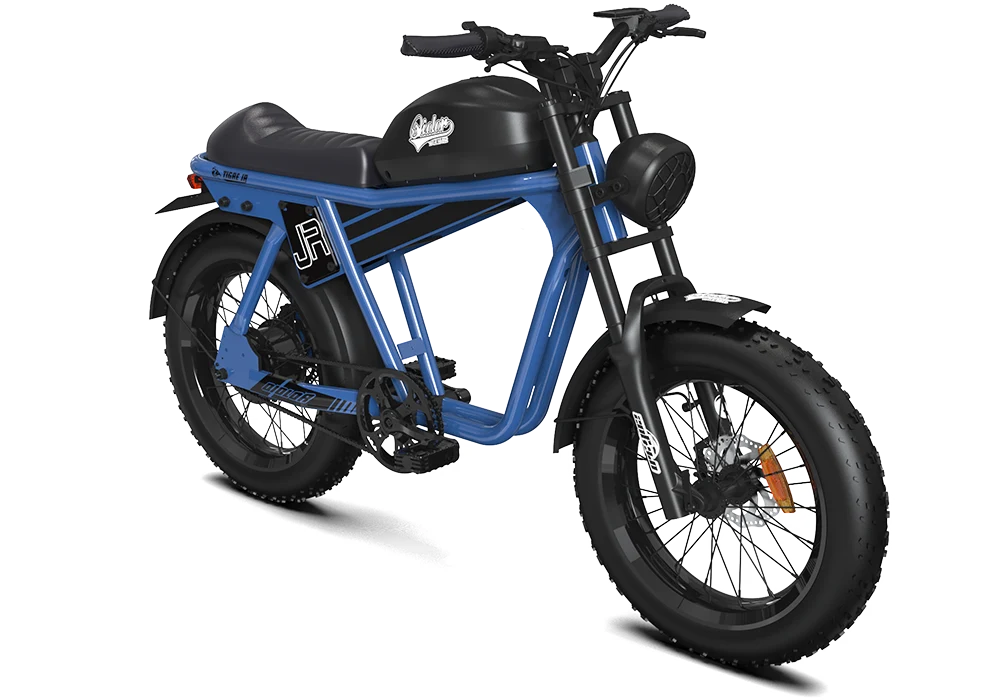
Tiger

JR
500W 13AH Mechanical Disc Brake Single-speed
TIGER JR Commuter Electric Bike TIGER JR Commuter Electric Bike TIGER JR Commuter Electric Bike
$1,299.00 $100 OFF
Learn More

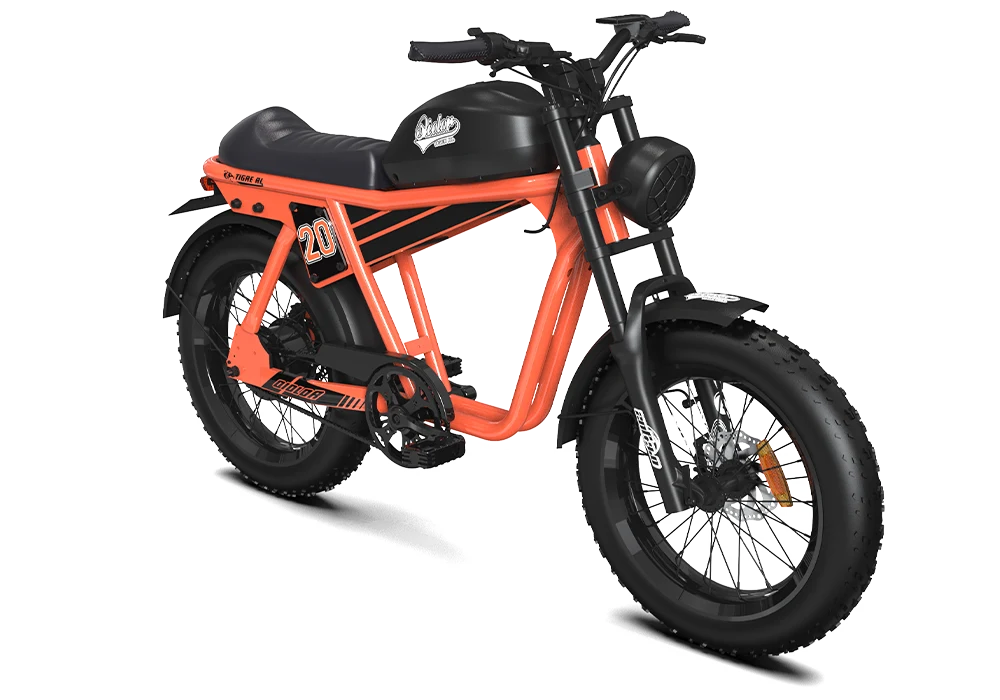
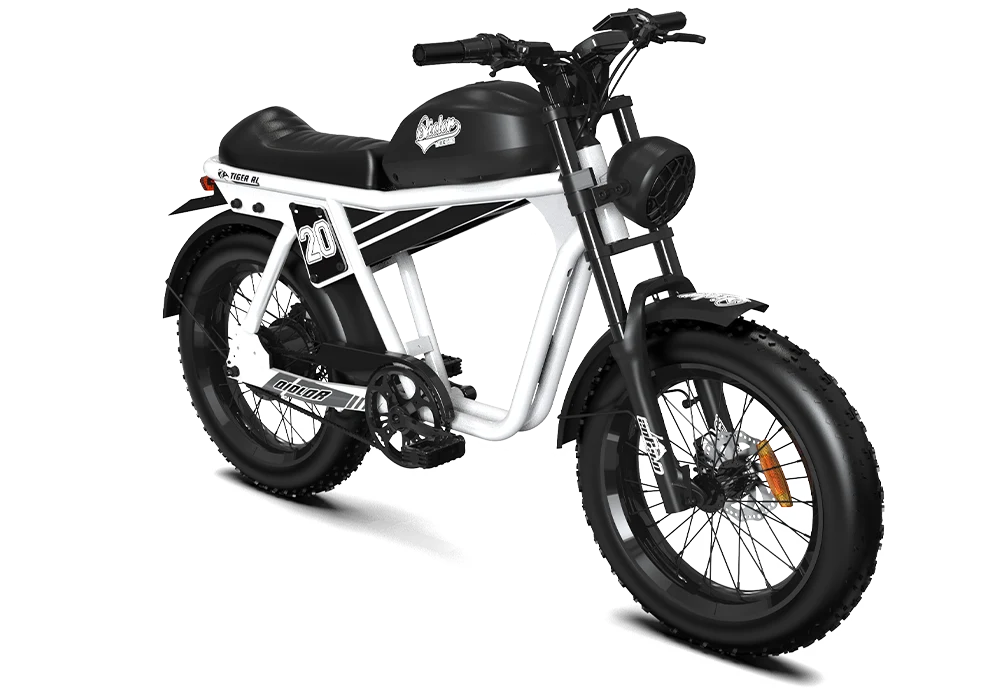
Tiger

RL
750W 13AH Hydraulic Disc Brake Single-speed
TIGER RL Electric Cruiser Bike TIGER RL Electric Cruiser Bike
$1,599.00 $100 OFF
Learn More

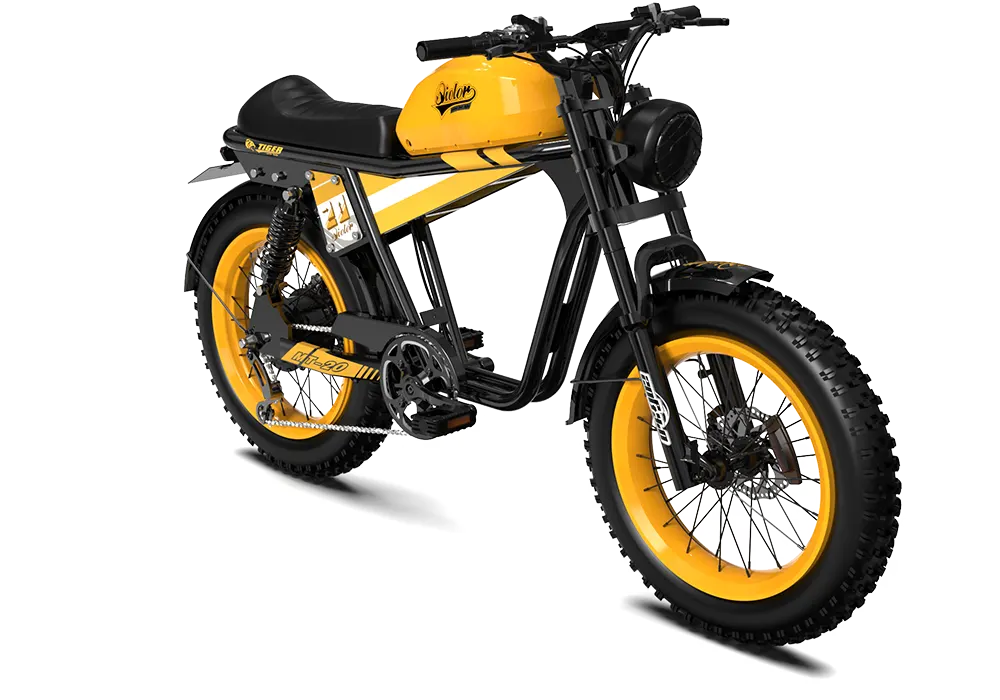
tiger

re
750W 15/35AH Hydraulic Disc Brake Single-speed spring suspension
TIGER RE Retro Electric Bike TIGER RE Retro Electric Bike TIGER RE Retro Electric Bike TIGER RE Retro Electric Bike
$1,799.00 $100 OFF
Learn More

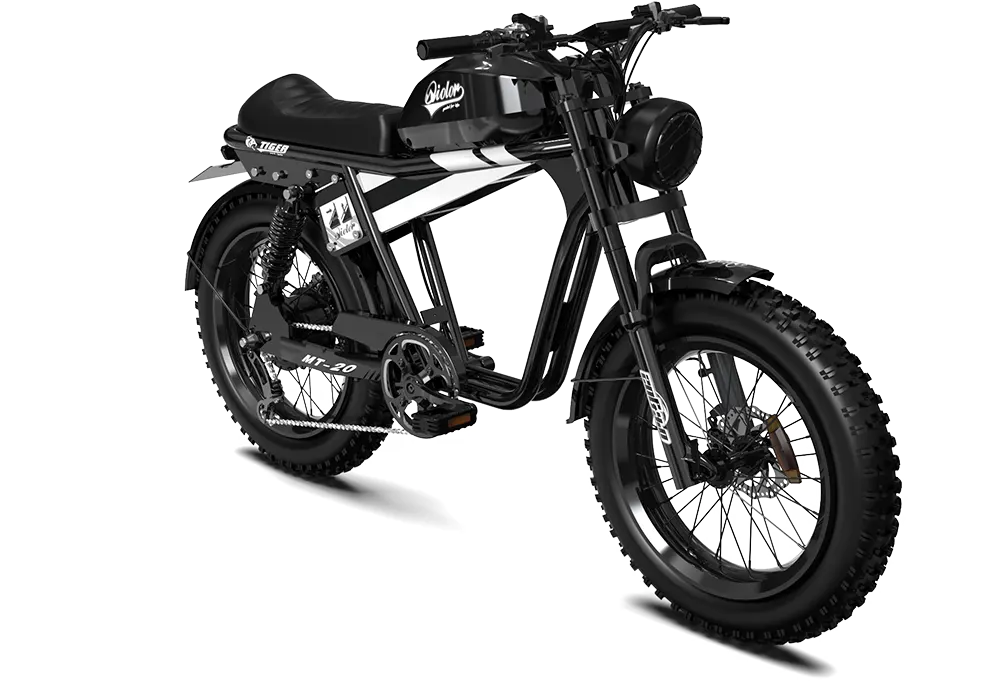
tiger

plus
750W 15/35AH Hydraulic Disc Brake 7-speed spring suspension Extended Seats Larger Frame Size
TIGER PLUS Electric Off Road Bike TIGER PLUS Electric Off Road Bike
$2,199.00 $100 OFF
Learn More
Free Shipping
30 Day Returns
High-quality services
2-Year Warranty

Explore the Power of Fat Tire Electric Bikes

Fat tire electric bikes feature extra-wide tires (typically 4 inches or more) that provide superior stability, grip, and shock absorption across diverse terrains, including sand, snow, mud, and uneven pavement

Why Choose a Fat Tire Electric Bikes?

Fat tire electric bikes offer more than bold looks. Wide tires add traction and smooth out bumps, so you feel more stable on rough pavement, gravel, sand, or snow. Pair that with electric assist and a solid battery, and you get an easier ride that handles hills, headwinds, and longer distances with better comfort and control than many standard e-bikes.

When to Choose a Fat Tire Electric Bike

Choose a fat tire e-bike if you ride on loose or uneven surfaces like gravel, sand, snow, or muddy trails, where extra traction keeps you stable. It’s also a great pick for rough city streets, boardwalks, and park paths when you want a smoother, more confidence-inspiring ride. If you’re after a weekend adventure bike or a commuter that can handle unpredictable conditions, wide tires make life easier.

How to Choose a Fat Tire Electric Bike

When choosing a fat tire e-bike, focus on the basics:

1. Motor type (hub for simple, flatter rides; mid-drive for a more natural feel and better hill climbing),
2. Battery capacity (higher Wh usually means longer range),
3. Tire width (4.0" is versatile; 4.8" adds stability on sand/snow),
4. Suspension (front/full helps on rough roads),
5. Weight rating (make sure it covers you plus any cargo).

With these points in mind, it’s easier to pick a fat tire e-bike that fits your riding and budget.

Why Choose QIOLOR?

QIOLOR builds vintage-inspired, café-racer Class 2 e-bikes that combine everyday comfort with real-world power, offering pedal assist plus throttle for smoother starts, hills, and longer rides. The QIOLOR TIGER is a compact moped-style option with practical accessory support, and QIOLOR sells direct for better value—backed by free shipping, flexible financing, a 30-day return on new bikes, and a 2-year warranty.

FAQs about Fat Tire Electric Bike
Are fat tire electric bikes good for beginners?
Yes! Their wider tyres provide better balance and traction, making them easier to control. They’re a great choice for new riders who want extra confidence on different terrains or in changing weather conditions.
What are the benefits of a fat tire e-bike?
Fat tire e-bikes offer better grip, smoother rides, and improved control on all surfaces. The wide tyres absorb shocks from bumps and uneven roads, making them ideal for both city commuting and off-road adventures.
What is the difference between a fat tire electric bike and an electric bike?
A fat tire electric bike is defined by its extra-wide tires, usually around 3.8–4 inches or more, which give extra grip and stability on sand, snow, and rough ground, while an electric bike is defined by having a motor and battery that assist your pedaling. A fat tire electric bike simply combines both ideas in one package, giving you the float and comfort of wide tires plus the power of an e-bike motor.
What tire pressure should I use on a fat tire e-bike for road vs off-road riding?
For everyday road and commuting use on a fat tire e-bike, most riders run roughly 18 to 30 PSI to reduce rolling resistance and extend range, while for gravel or light trails they often drop to around 12 to 18 PSI to add grip and comfort. In very loose sand or snow, going even lower, around 5 to 10 PSI, lets the fat tires “float” better, though heavier riders should stay toward the high end of each range and always respect the maximum PSI printed on the tire sidewall.
What tire size is best for a fat tire e-bike (20x4, 26x4, etc.)?
The best tire size depends on your height, storage space, and riding style. A 20x4 inch tire makes the fat tire e-bike more compact and nimble, easier to fold or fit in a car and friendlier for shorter riders, while 24x4 and 26x4 inch setups roll faster, feel more stable at higher speeds, and smooth out bumps better, which taller riders and commuters often prefer.
Can I ride a fat tire e-bike in the rain or snow?
Absolutely. Wide tire e-bikes are built to handle all seasons. Their thick tyres offer strong grip on wet, slippery, or snowy surfaces — just remember to reduce speed and keep your tyre pressure within the recommended range (usually 10–20 PSI).
Are fat tire electric bikes harder to pedal?
Without electric assist, they can feel slightly heavier due to the larger tyres. However, with pedal assist or throttle mode, riding is effortless. The motor compensates for the extra weight, making fat tyre e-bikes just as easy — or even easier — to ride than standard ones.
How much does a typical fat tire e-bike weigh, and is it hard to lift or store?
Most fat tire e-bikes weigh somewhere around 60 to 80 pounds, depending on frame material, motor size, and battery capacity, so they are noticeably heavier than a regular bicycle. This makes them harder to carry up stairs or onto a car rack, which is why many owners remove the battery first to shed a few kilos and then rely on ground-level storage, sturdy floor stands, or wall hooks rated specifically for heavy e-bikes.
Who should buy a fat tire electric bike?
A fat tire electric bike is perfect for riders who:
Want to explore off-road trails, beaches, or mountain paths
Live in areas with rain, snow, or loose terrain
Prefer extra comfort and stability
Or simply love the bold, adventurous look of wide tyres